
Feedback

freeTrialImage.bannerPity
freeTrialImage.upgradeUnlock
- ✓freeTrialImage.benefitHd
- ✓freeTrialImage.benefitWatermark
- ✓freeTrialImage.benefitUnlimited
Claude Opus 5
Meet Claude Opus 5: powerful visual comprehension, automatic CV generation, and thorough image inspection at roughly half the cost of elite rivals.
AI Tools
Explore AI tools


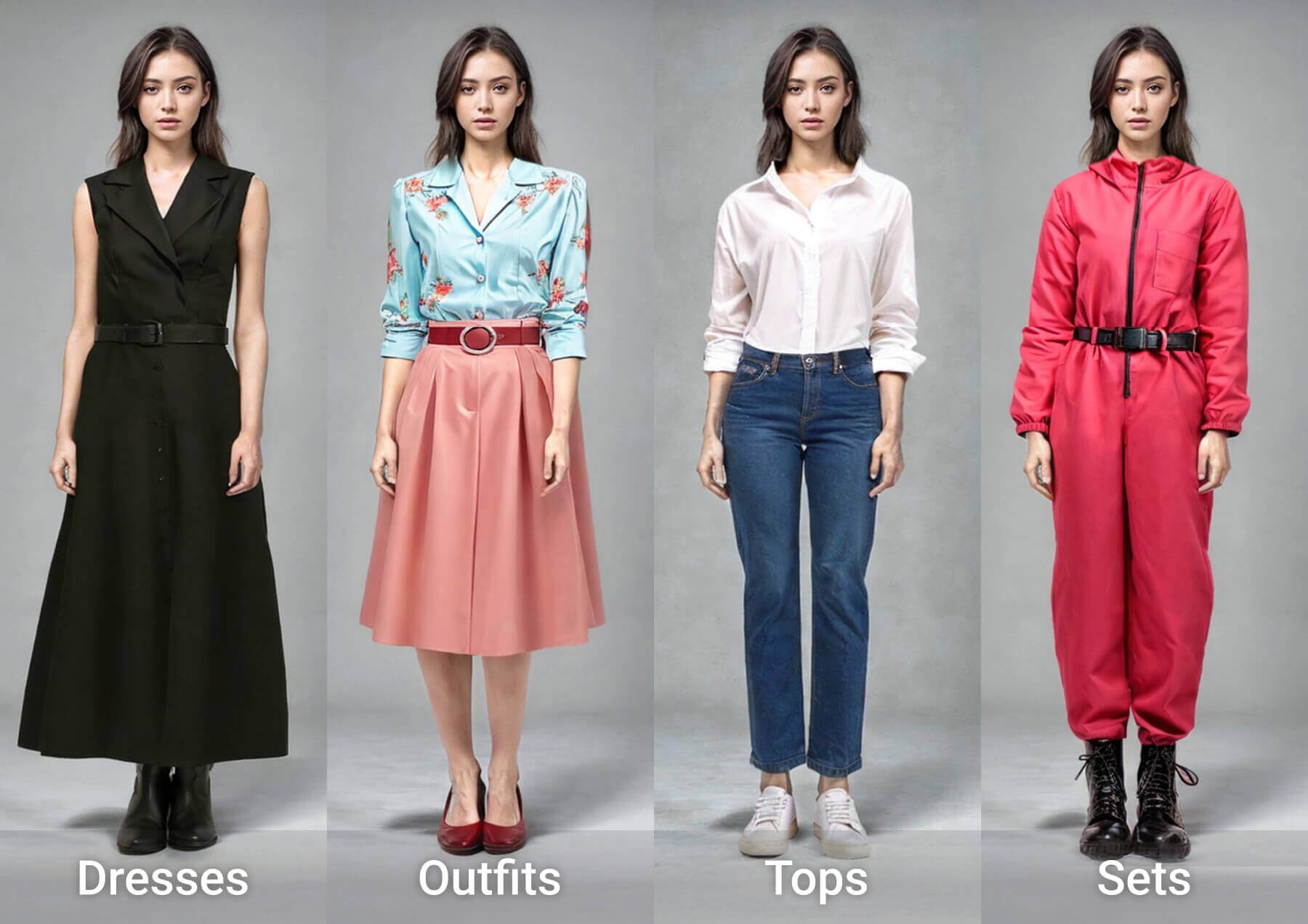

What Makes Claude Opus 5 a Smart Pick for Visual Work
Launched in July 2026, Claude Opus 5 stands out as Anthropic's most advanced tool for visual reasoning. It offers advanced image interpretation, custom computer-vision code, 3D reconstruction from schematics, and scientific rendering—at around half the price of leading flagship models.
- On-the-Fly Vision CodeIf Claude Opus 5 comes across an unusual image type, it develops bespoke vision algorithms on the spot, pulling geometric data from pixels and converting what it sees into structured information.
- High-End Results for LessOn visual coding benchmarks, Claude Opus 5 finishes within 0.5% of the priciest rival models while its operating cost stays around 50% lower.
- Self-Cross-Checking AnalysisClaude Opus 5 double-checks its own interpretations, flags edge cases that other tools ignore, and keeps refining until the results stand up to close review.
A Simple 3-Step Workflow for Claude Opus 5
Follow these three steps to put Claude Opus 5's visual intelligence to work on your own images.
Claude Opus 5: Frequently Asked Questions
Answers to common questions about Claude Opus 5 for image understanding, visual project work, and automated vision workflows.
What should I know about Claude Opus 5?
Released in July 2026 by Anthropic, Claude Opus 5 is a next-generation AI built for visual comprehension. It reads photos, diagrams, and blueprints, writes custom CV code to recover 3D geometry, and runs for about half the cost of the most expensive systems.
Which visual tasks can Claude Opus 5 handle?
Claude Opus 5 supports a wide range of image jobs: photographs, engineering diagrams, charts, scientific drawings, product visuals, and more. It can create data-driven visualizations, reconstruct 3D geometry, extract structured information, and carry out close pixel-level inspection through custom vision logic.
How strong are Claude Opus 5's benchmark results?
On Frontier-Bench v0.1, Claude Opus 5 beats Opus 4.8 by more than double. On the CursorBench 3.2 visual coding test, it scores within 0.5% of the most expensive models at maximum effort, while its running cost is only about half.
Can Claude Opus 5 generate or edit images?
Yes. Claude Opus 5 can produce scientific renderings, airflow simulations, cell-structure diagrams, and charts from data, and it can also modify and enhance existing images with simple natural-language instructions.
What upgrades does Claude Opus 5 offer over earlier versions?
Compared to Opus 4.8, Claude Opus 5 delivers more than 2x the Frontier-Bench programming performance, a 10-point gain in organic chemistry visual tasks, and a 7.7-point improvement in protein-related image analysis—all at the same price with fewer errors.
Is Claude Opus 5 ready for commercial visual projects?
Absolutely. Claude Opus 5 is a daily driver for professionals: it powers Claude Max, stands as the strongest model in Claude Pro, and comes with enterprise-grade safeguards, self-verification, and production-ready API access for vision pipelines.
Start Putting Claude Opus 5 to Work on Visual Projects
Get roughly twice the performance of earlier versions, pay around half the price, and enjoy advanced image analysis, automatic vision code, and polished visual creation with Claude Opus 5.